Roanoke Memorial Hospital · OB GYN Unit Patient Experience · 2015–2016
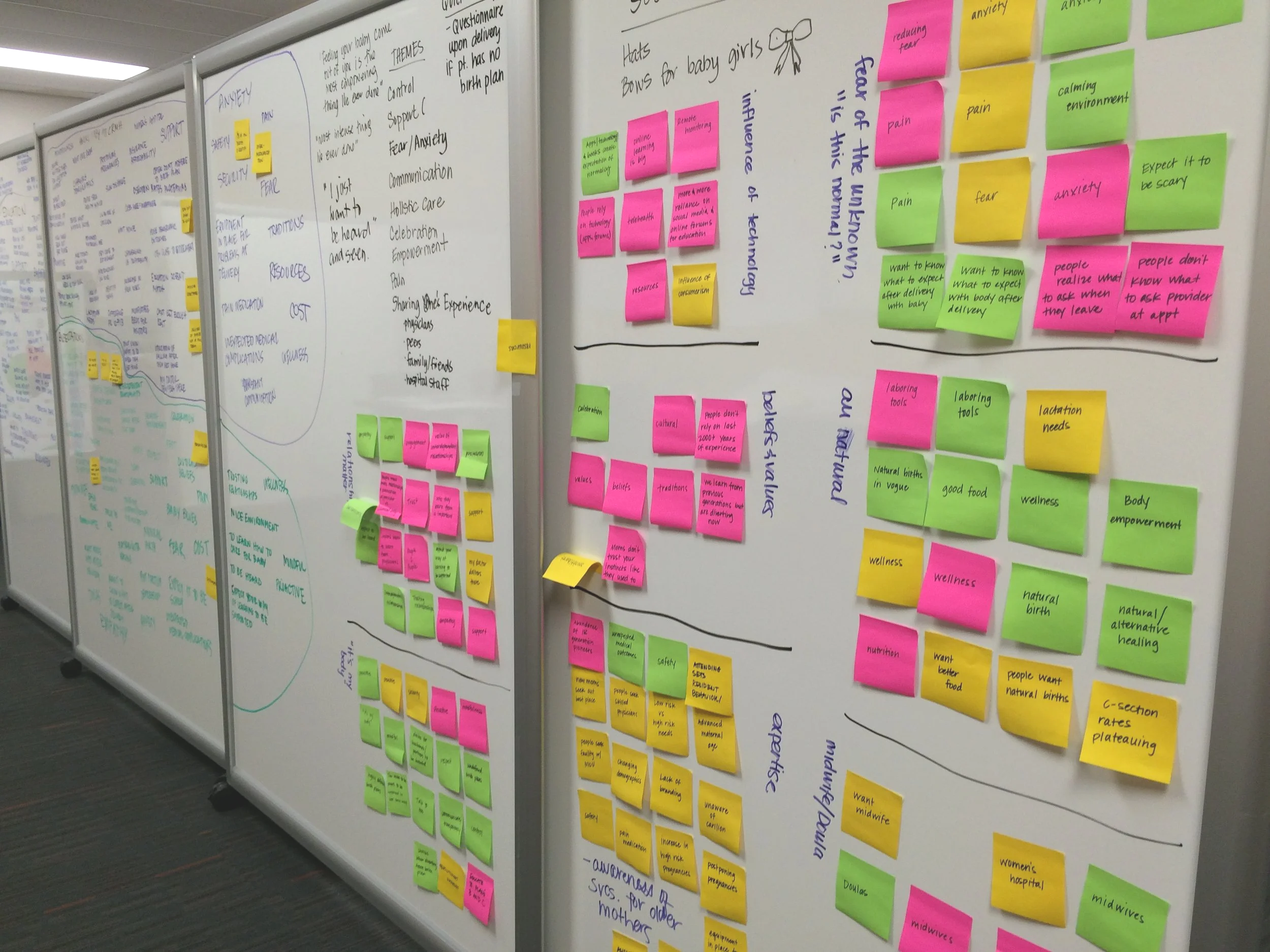
Research synthesis mapping patient insights, themes, and opportunity spaces across the OB unit
The Challenge
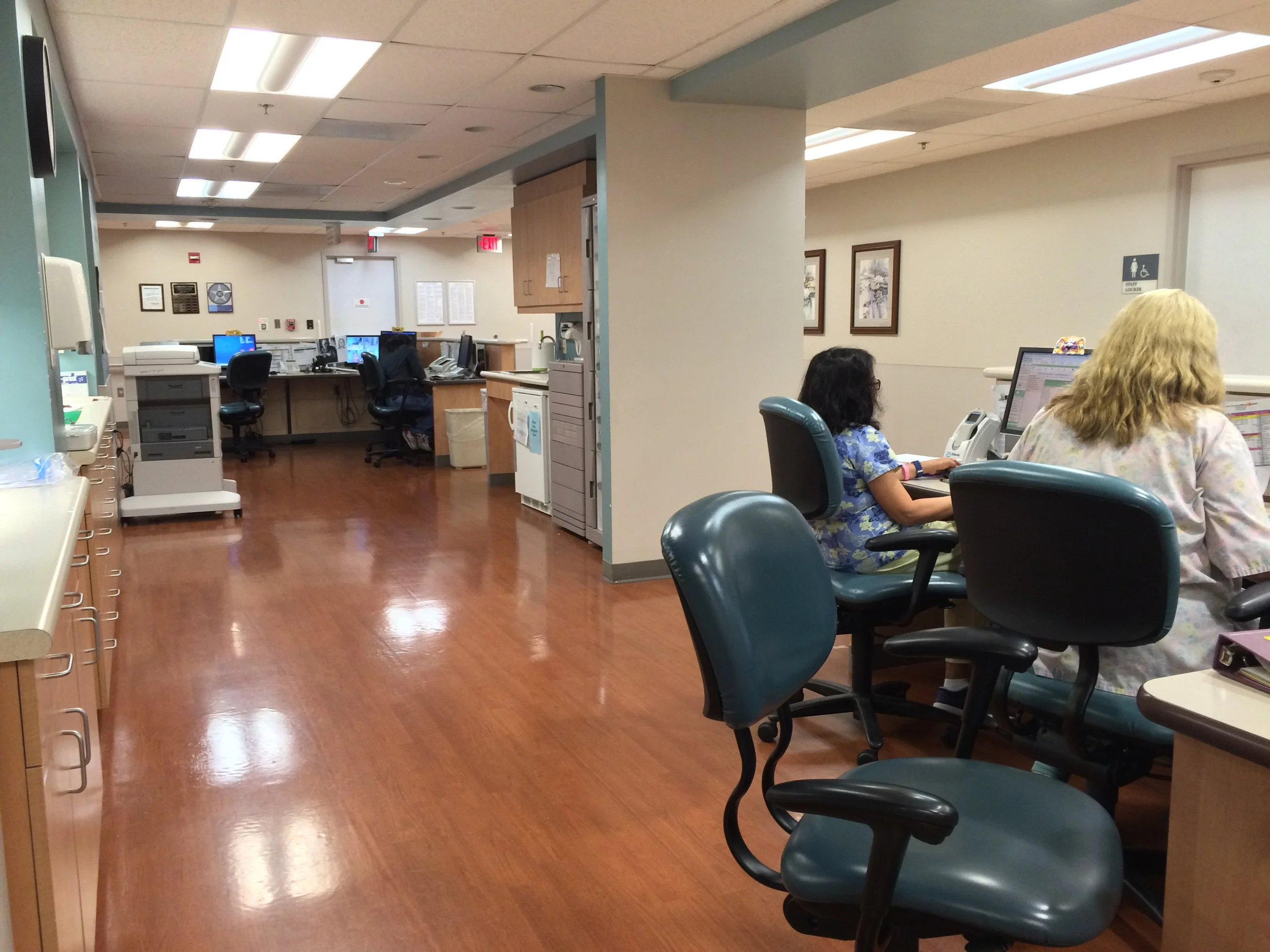
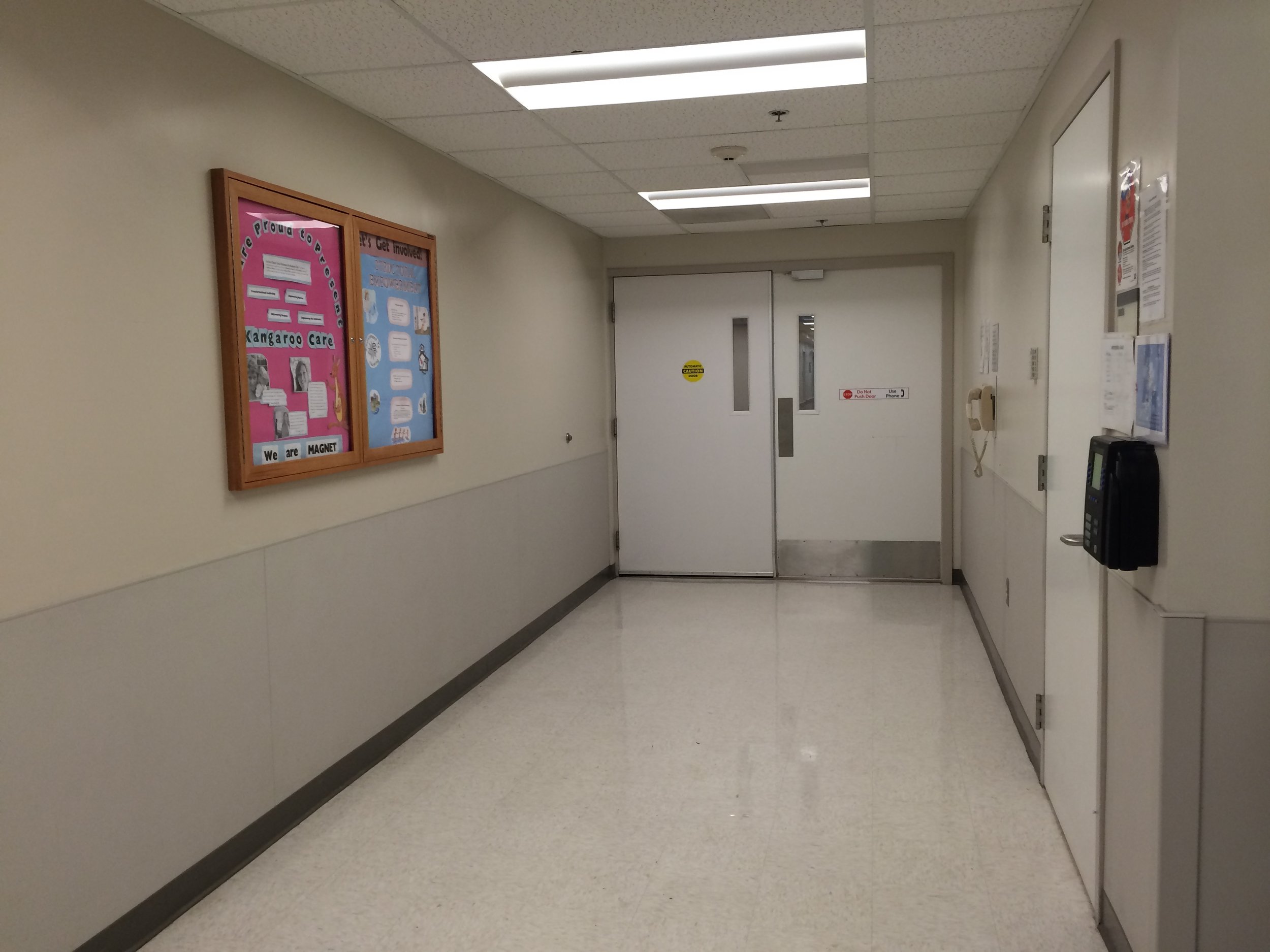
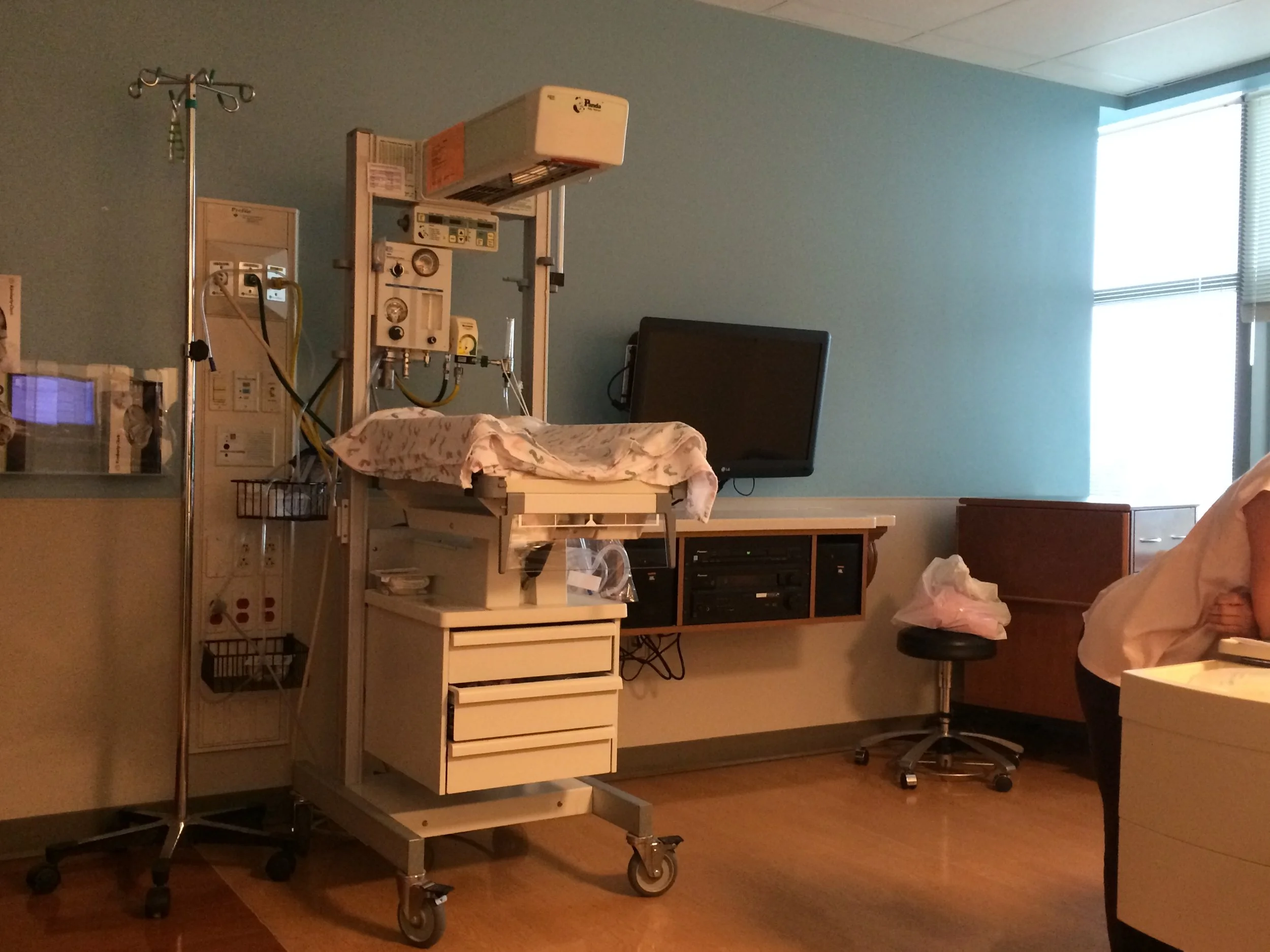
Carilion Roanoke Memorial Hospital's OB unit delivered measurably excellent clinical care — but patient satisfaction scores told a different story. The physical environment and interpersonal experience were systematically undermining what clinicians were getting right. Leadership needed to understand the gap and design a system-level response.
Research Approach
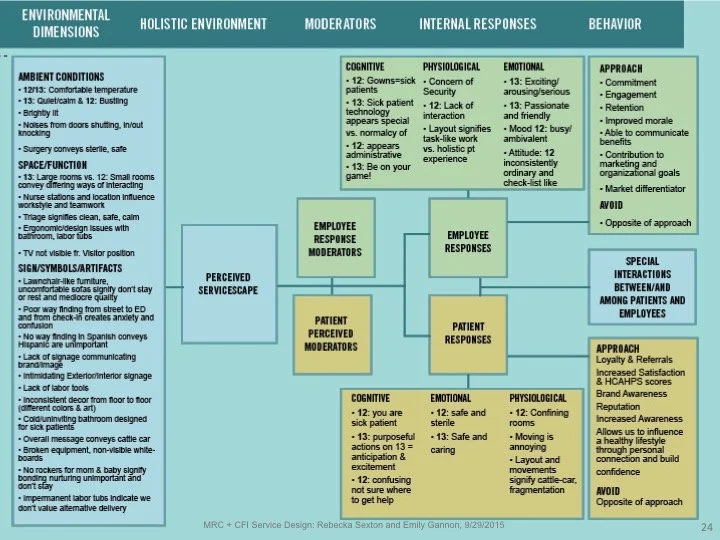
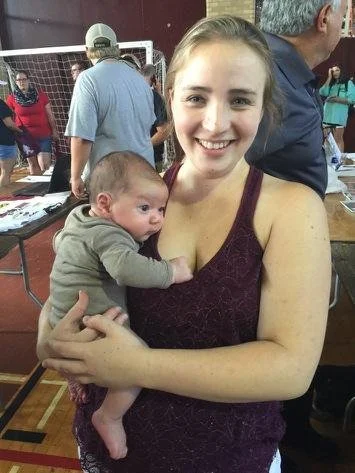
Led end-to-end service design research across Labor & Delivery and Mother/Baby units using mixed methods: 100+ patient interviews, field studies, home visits, and patient shadowing; stakeholder and clinical staff interviews; physician and nursing surveys; CTL shadowing across all shifts; observation across ED, check-in, and inpatient units; PRC Voice analysis; competitive and trend analysis; and a 782-person patient survey. Research centered the experience of Medicaid patients, single mothers, and non-English speakers — not just the most supported patients.
Key Findings:
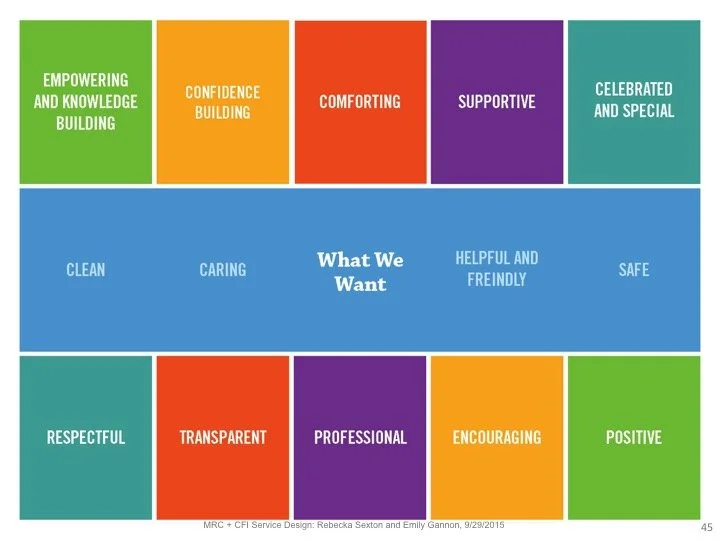
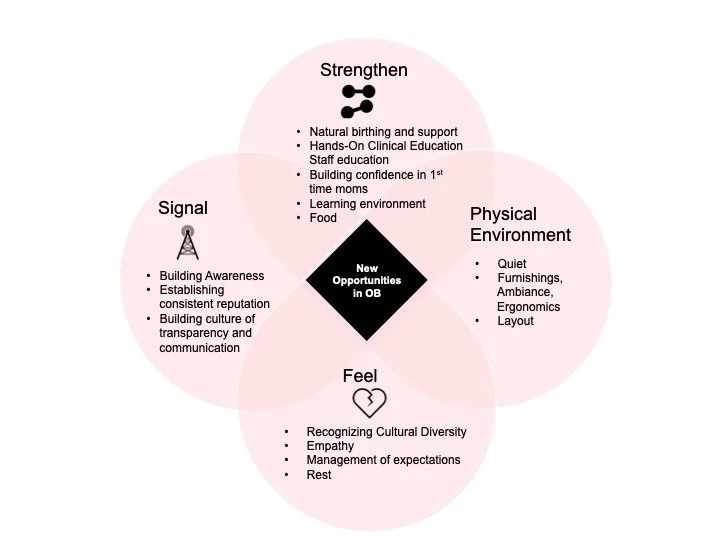
Two forces drove poor experience despite strong clinical outcomes: environment and communication. Patients didn't feel heard. When they weren't, they discounted everything else — including the quality of care they received. The research surfaced a direct correlation between perceived control, transparent communication, and experience scores.
What We Built:
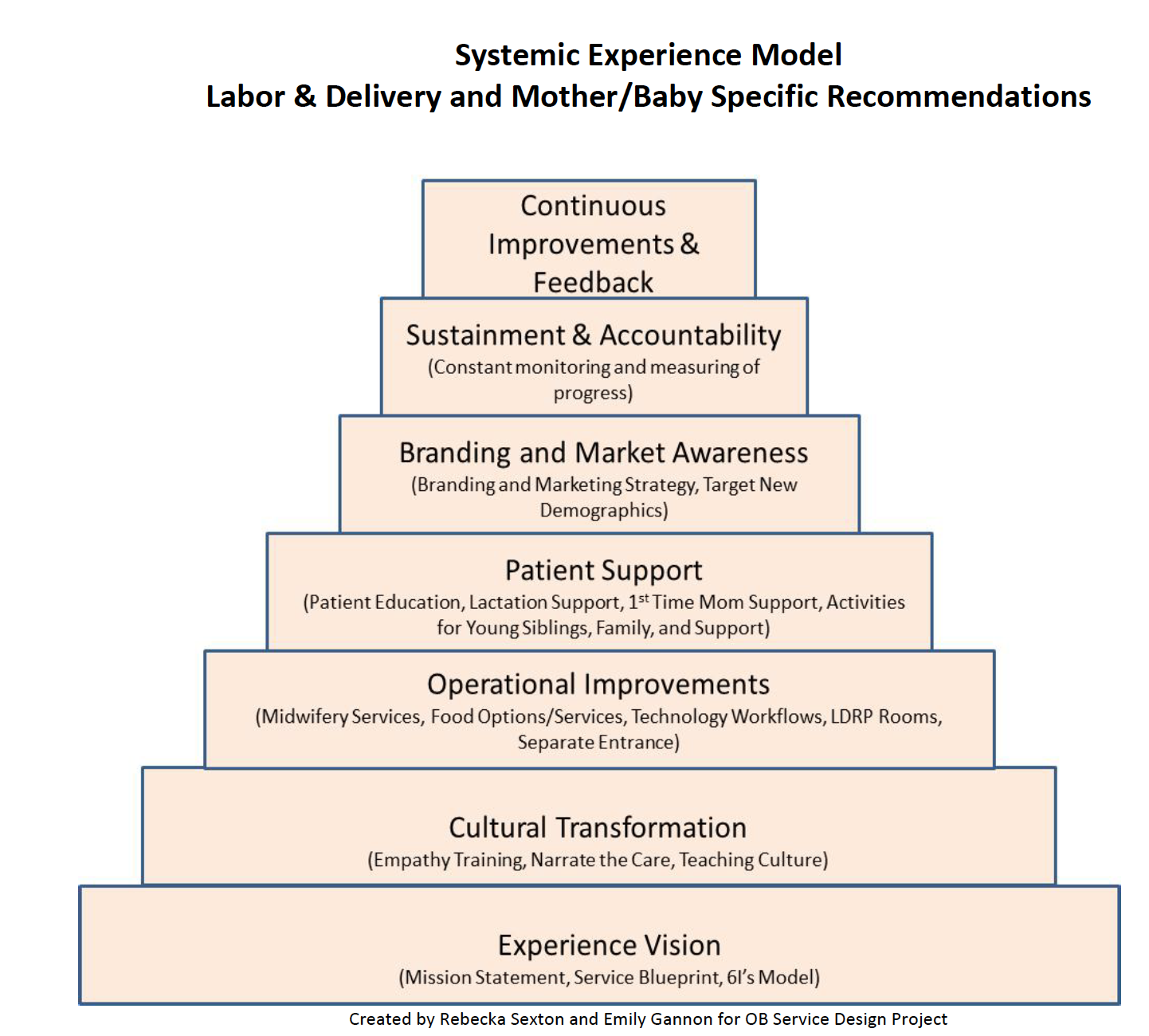
Produced a full end-to-end service blueprint mapping the complete patient journey from ED entry through postpartum discharge — six swim lanes covering customer actions, onstage and backstage staff actions, technology touchpoints, support processes, and physical evidence at every stage. Built on the research and blueprint, developed the Systemic Experience Model — a seven-layer framework sequencing Experience Vision, Cultural Transformation, Operational Improvements, Patient Support, Branding, Sustainment, and Continuous Improvement.
Outcome:
Recommendations informed facility redesign, staff empathy and communication training, care narration protocols, and outreach to Medicaid and underserved populations. The project contributed to documented HCAHPS score improvements across the unit.